Food marketing consultant: you asked for one person and Google handed you a holding company
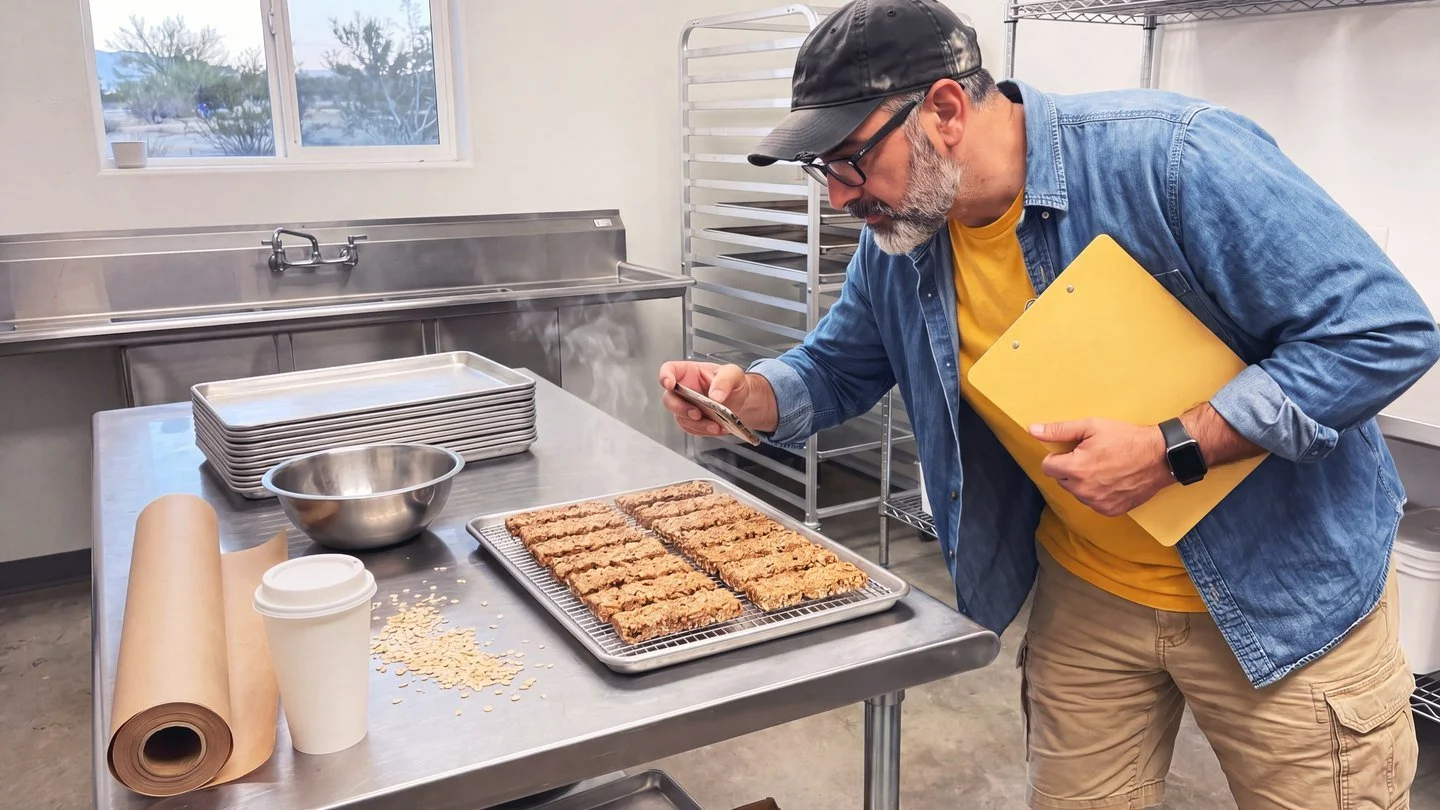
A food marketing consultant is one senior person you hire to make the marketing decisions for a food or beverage brand and, usually, to run some of the work. You pay for judgment by the hour, by the project or on a monthly retainer, and you should know within 90 days whether it's working.
Type "food marketing consultant" into Google today and the top organic result is the homepage of The Food Group, a full-service food marketing agency whose own footer calls it "a WPP Company." Hellmann's is on that homepage. The page runs about 300 words, with no prices, no FAQ and nothing about hiring one person. Most people who type "consultant" want something smaller and closer: one experienced person who'll look at a small food or beverage brand, say what to fix first, and answer the phone on a Thursday.
Key takeaways
- A food marketing consultant sells senior judgment. Before you sign, you should be able to name the decisions that person owns.
- Two 2026 rate guides put independent marketing consultants at roughly $75 to $300 an hour, with retainers from about $1,500 to $15,000 a month depending on scope.
- Hire a consultant when the problem is decisions, an agency when the problem is volume, and in-house when the plan is proven and the volume is steady.
- Put a 90-day plan in the contract, with three numbers you'll judge it on.
What does a food marketing consultant do?
A food marketing consultant decides what your marketing should do next and why. Then they either do part of it or direct the people who will. The good ones work above the channel. Who buys the product. Where they buy it. What they need to hear. And what you stop paying for.
The job splits into three kinds of work. Diagnosis comes first, an audit of your feeds, website, retail listings, sell sheets and whatever paid media you run, set against what's moving at the register. Then the plan: positioning, the one sentence a shopper should be able to repeat, channel priorities, a content calendar and a budget. Then the follow-through, which is where consultants differ most. Some hand you a deck and leave. Some stay on retainer and run the social accounts, the creators and the production themselves.
I've worked with food and beverage brands for more than 20 years, and I run gallucciNET out of Marfa, Texas. The follow-through is where I spend most of my hours, because a plan nobody runs on a Tuesday is a PDF. My earlier piece on who works your account at a food marketing agency asks the same question from the agency side.
Food marketing consultant vs agency vs in-house: which one do you need?
Hire a food marketing consultant when the problem is decisions. Hire an agency when the problem is volume. Hire in-house when you already know what works and need someone there every day to keep doing it.
| | Food marketing consultant | Full-service agency | In-house hire | |---|---|---|---| | What you're buying | One senior person's judgment, plus some execution | A team for strategy, creative, media, PR and production | A salaried person on your payroll | | Who does the thinking | The person you hired | Often a senior lead at the pitch and a smaller team after | Your hire, often learning on the job | | How it's priced | Hourly, by project or on a monthly retainer | Monthly retainer plus project fees and media | Salary plus benefits and tools | | Time to start | Days to a couple of weeks | Weeks, after scoping and onboarding | Months, after recruiting | | Best fit | Emerging and mid-size brands that need a plan and a few things done well | Brands with national distribution and budget for several channels at once | Brands with a proven playbook and steady volume | | Biggest risk | One person's bandwidth | Paying for layers you never meet | A junior hire with nobody senior to learn from |
The in-house math is the part founders underestimate. The Bureau of Labor Statistics puts median pay for marketing managers at $166,790 as of May 2025, before benefits, software and a camera budget. That's a big commitment for a brand still finding out which channel sells. A consultant gets you that level of experience for the hours you need it.
If you're leaning toward an agency anyway, read my take on the generalist trap at food and beverage marketing agencies first.
How much does a food marketing consultant cost?
Published 2026 guides put independent marketing consultants between $75 and $300 an hour, with monthly retainers from about $1,500 for narrow support to $15,000 for a broad scope. I haven't found a food-only rate card I'd trust, so start with the general numbers and adjust for scope.
The two guides I'd read:
- MarketerHire, June 2026: $100 to $300 an hour, $3,000 to $15,000 a month for 10 to 40 hours of work, and project fees from $5,000 for a single campaign audit to $50,000 or more for a full go-to-market strategy.
- OuterBox, May 2026: $75 to $250 an hour for independent consultants, $150 to $500 an hour for senior specialists and fractional leaders, and retainers of $1,500 to $10,000 or more a month for narrow support.
Read the scope before the number. A retainer that includes running your Instagram and briefing two creators a month is a different animal from the same fee for a monthly call and a slide deck. The same goes for creators, which I covered in pricing the work instead of the audience.
How do food marketing consultants get paid?
Three ways: by the hour, by the project, or on a monthly retainer. Hourly fits a quick audit or a second opinion. A project fee fits a launch plan or a brand voice guide with a clear end. A retainer fits ongoing work like running social, where the plan changes every week.
Ask which model the consultant prefers and why. A consultant who only bills hourly has no stake in the outcome. One who only sells retainers may be selling you a habit. I'd match the model to the job: a project for the plan, then a retainer only if you want the same person running it.
If you need a pile of content now and can't commit to a monthly fee, ask for a flat-fee package with a fixed list of deliverables and a delivery date. Any consultant who does production should be able to quote one.
What should the first 90 days with a food marketing consultant look like?
Month one is diagnosis and a plan. Month two is the plan moving. Month three is the first honest look at the numbers. Write it into the contract.
- Weeks 1 and 2, the audit: feeds, website, retail listings, sell sheets, reviews, paid media and the last 90 days of sales by channel. You should get a written list of what to stop.
- Weeks 3 and 4, the plan: positioning in one sentence, two or three channels in priority order, a content calendar for the next 60 days, and the three numbers you'll judge it on.
- Weeks 5 to 8, production and posting: the first batch of content ships, the first creators get briefed, and somebody reports every week in plain English.
- Weeks 9 to 12, the read: what moved, what didn't, what gets cut, and whether the retainer continues.
Pick numbers you can see. Saves and shares per post, clicks to your store locator or retailer pages, and sell-through at the accounts that share data with you will tell you more than follower count. If you just hired a new marketing leader who needs quick wins, this structure hands them some without building a team around them.
How do you vet a food marketing consultant?
Ask to see work that's live right now, ask who does the work, and ask what they'd stop doing at your brand. A good consultant answers the last one on the first call.
Questions worth asking:
- Which food or beverage brands have you worked on, and can I see their feeds today?
- Who does the work, you or a subcontractor?
- What would you stop doing at our brand first?
- How do you report, how often, and to whom?
- What happens to the content, the accounts and the raw files if we part ways?
The red flags I watch for are a deck full of follower growth with no sales or retail numbers, a consultant who can't tell you where your product is sold, and any contract where you don't own your own accounts and files. A portfolio made entirely of national brands is its own warning, because it means they're used to budgets you don't have. I wrote about reading an agency's case study numbers before you sign, and the same rules apply to a consultant's portfolio.
What I've watched go wrong
The failure I see most is a good plan with nobody to run it. The founder pays for a strategy, the strategy says post four times a week with real people from the plant floor, and three weeks later the account is back to product shots on a white background because the person who was supposed to film is also driving the forklift. If your plan doesn't name who films, who edits and who posts, it isn't a plan yet.
The second is hiring a consultant to fix a product problem. If the shelf price is wrong or the bag doesn't say what's inside, content won't fix the turn rate. A good consultant says so on the first call, even when it costs them the job. If your problem is posting a lot and selling nothing, start with the social media mistake that costs food brands sales.
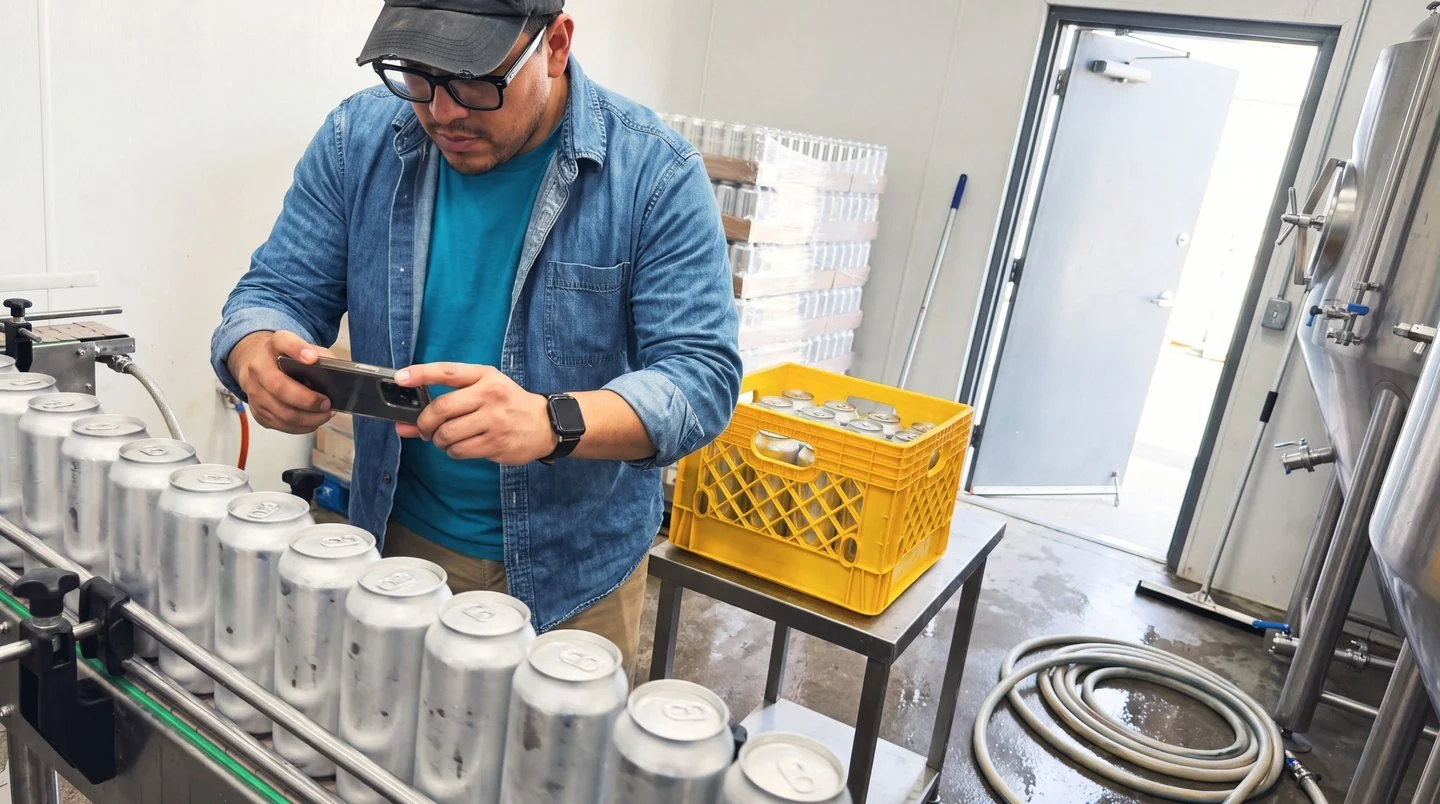
The third is a little Texan. Marfa is a long drive from anywhere food gets made, so I plan shoots around the plant's schedule and show up when the line is running. A consultant who has never stood on a production floor at 6 a.m. will plan shoots that can't happen, and the content will look like it came from a conference room, because it did.
FAQ
What does a food marketing consultant do?
A food marketing consultant audits how a food or beverage brand sells today, decides what to change, and builds the plan: positioning, channel priorities, a content calendar and a budget. Many also run part of the plan, such as social media, creator outreach or content production. You're paying for one experienced person's judgment, and the best ones tell you what to stop doing as well as what to start.
How much does a food marketing consultant cost?
Published 2026 guides from MarketerHire and OuterBox put independent marketing consultants at roughly $75 to $300 an hour. Monthly retainers run from about $1,500 for narrow support to $15,000 for 10 to 40 hours of senior work, and project fees start around $5,000 for a single audit. Food and beverage specialists quote by scope, so compare what each fee includes before you compare the fees.
How do marketing consultants get paid?
Most marketing consultants bill one of three ways: hourly, a fixed project fee, or a monthly retainer. Hourly suits audits and second opinions. A project fee suits work with a clear end, like a launch plan or a brand voice guide. A retainer suits ongoing work such as running social media. Some also sell flat-fee content packages with a fixed list of deliverables, which helps a brand that can't commit to a monthly fee.
Does food marketing pay well?
It can. The Bureau of Labor Statistics reports median pay of $166,790 for marketing managers as of May 2025, across all industries. Independent consultants set their own rates, and 2026 guides show $75 to $300 an hour as a common range. In my experience, the consultants who can show retail sell-through and sales numbers charge the most.
Should I hire a consultant or an agency for my food brand?
Hire a food marketing consultant when you need decisions and a plan from one senior person, and fast. Hire an agency when you need a team producing at volume across several channels, and you have the budget for it. Many emerging food and beverage brands start with a consultant, prove what works over 90 days, then add an agency or an in-house hire to scale it.
What to do next
Write down the three marketing decisions you can't make yourself right now. Take that list to two or three consultants, ask each one what they'd stop doing at your brand, and ask for a 90-day plan with three numbers in it. The one who answers with your product, your stores and your people in the sentence is the one who'll tell your story in a way the big food brands can't copy.
I work with a handful of food and beverage brands at a time as a food marketing consultant for organic social and content. If you want one person who'll also do the work, DM me.

adage, emmy, telly & webby award-winning digital marketing consultant for purpose-driven food & beverage brands.