Drinks marketing agency: what a beverage founder should actually buy
A drinks marketing agency sells beverage brands some mix of branding, packaging, websites, social content, paid media and trade marketing. Most independent founders don't need all of it. Hire for the one job that moves cases this quarter, usually a clear story and steady social content, and buy the rest by the project.
Key takeaways
Judge a drinks marketing agency by who does the work on your account, not by the logo wall on its homepage.
Single-service retainers commonly run $5,000 to $15,000 a month, so know which single service you need before you sign.
Alcohol changes the rules. US spirits marketers place ads where at least 73.8 percent of the audience is expected to be 21 or older, and Meta requires 21+ targeting on US alcohol ads.
For most independent drinks brands, a lean weekly content engine beats a full-service retainer for the first 90 days.
What does a drinks marketing agency actually do?
It depends on the agency. That's the problem. Open the top-ranked agency sites for this search and you get the same menu every time: brand strategy, visual identity, packaging, websites, SEO, social media management, influencer and UGC programs, paid social, video production, trade marketing. That's a department store. You walk in needing a belt and walk out with a suit.
Most beverage brands underfund the work that never ends. Split the menu into three buckets and the decision gets easier.
Identity work is a project with a start and an end. Name, label, packaging, brand guidelines.
Media work scales with a budget you control. Paid social, influencer spend, retail media.
Content work is the photos, short videos, captions, and comment replies that show up every week. That job never stops.
A good drinks marketing agency tells you which bucket you're in before they quote. A bad one quotes all three.
Why the demo reel and the logo wall tell you almost nothing
Every beverage marketing agency homepage has a demo reel, a row of client logos and one case study with big press numbers. None of that tells you who will shoot your cans next Tuesday or answer the comment from a regional grocery buyer at 9 p.m.
I've spent more than 20 years in food and beverage marketing, and I've watched the pitch team and the working team turn out to be two different groups of people more times than I can count. The senior creative director shows up for the pitch. A junior coordinator juggling six other accounts shows up for the work.
Ask for the name of the person who will post for you in week three. Ask to see their last 30 days of work for a brand your size. If the agency can't produce either, the reel was the product.
Drinks marketing agency vs. freelancer vs. independent strategist
Here's how the three most common options compare for an independent beverage brand without a national ad budget.
| Option | What you get | Where it breaks | Best fit | |---|---|---|---| | Full-service drinks marketing agency | Branding, web, social, paid and video under one contract | Senior talent at the pitch, junior talent on the account, and a retainer sized for the whole menu | Funded brands launching nationally with a real media budget | | Freelance social media manager | Posting, scheduling and comment replies at a low monthly cost | No strategy, and content quality rides on one person's calendar | Brands that already know their story and just need hands | | Independent strategist and content creator | Strategy and the content itself, from the person you hired | Capacity is limited, so they take a few brands at a time | Founder-led brands that need a clear story and steady output |
I'm biased toward the third row because it's what I do as an independent social media strategist for beverage brands. I run it from Marfa, Texas, where the phone does most of the shooting and the light does the rest, with a production system built around realistic generative AI. I was putting that kind of AI to commercial use on Topo Chico work years before agencies had a slide about it. Whichever row you pick, pick it on purpose.
How much does a drinks marketing agency cost?
Expect a flat monthly retainer of $5,000 to $15,000 for a single service, according to Darkroom's 2026 agency pricing guide. Stack branding, social and paid together and the number climbs fast.
Per-piece pricing is the other model. The same guide puts creative at $150 to $500 per static asset and $500 to $2,000 per video. That math matters for a drinks brand, because a feed that needs 12 short videos a month can cost $6,000 to $24,000 in production alone at those rates.
Two things drive the price more than the agency's name. How many assets you need each month, and how many rounds of approval your team puts each one through. The second one is the hidden cost. A can photo that goes through four rounds of committee review costs more every round and comes back sounding like nobody in particular wrote it.
What changes when there's alcohol in the bottle?
Placement changes first. If you sell beer, wine, spirits, or a canned cocktail, your alcohol marketing agency has to know the self-regulatory codes before it knows your color palette.
The Distilled Spirits Council raised its adult placement standard from 71.6 percent to 73.8 percent in May 2023, based on 2020 Census data. Spirits marketers are expected to place ads only where at least 73.8 percent of the audience is reasonably expected to be 21 or older. On Meta, US alcohol ads have to target people 21 or older.
Non-alcoholic lines get more room on Meta. Their policy lets you advertise NA beverages as long as the creative doesn't show alcohol or anyone drinking it. That's real leverage if you're an NA brand from day one. It's a trap if you're a spirits house that launches an NA extension and drops the same bar-top footage into the ad.
Ask the agency across the table how it handles age gating, audience composition data, and the NA line. A shrug is still an answer.
How do you promote a drink product without a big agency?
Build a small content engine that runs every week, then add spend once you know which posts sell. Here's the 90-day version I'd run for a founder-led drinks brand.
Weeks 1 and 2: write down the one story only your brand can tell (who makes it, where, and why), and cut every line a bigger brand could also say.
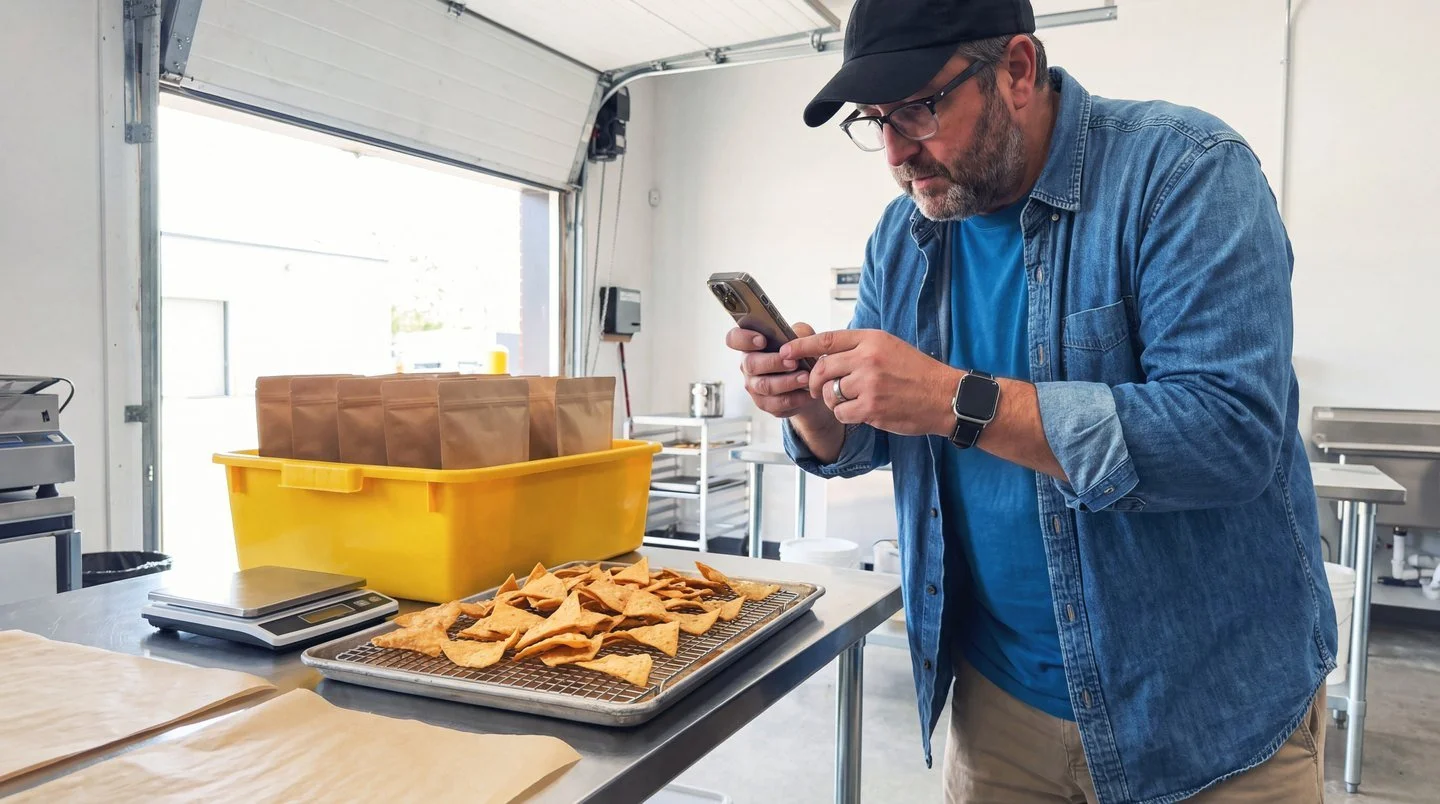
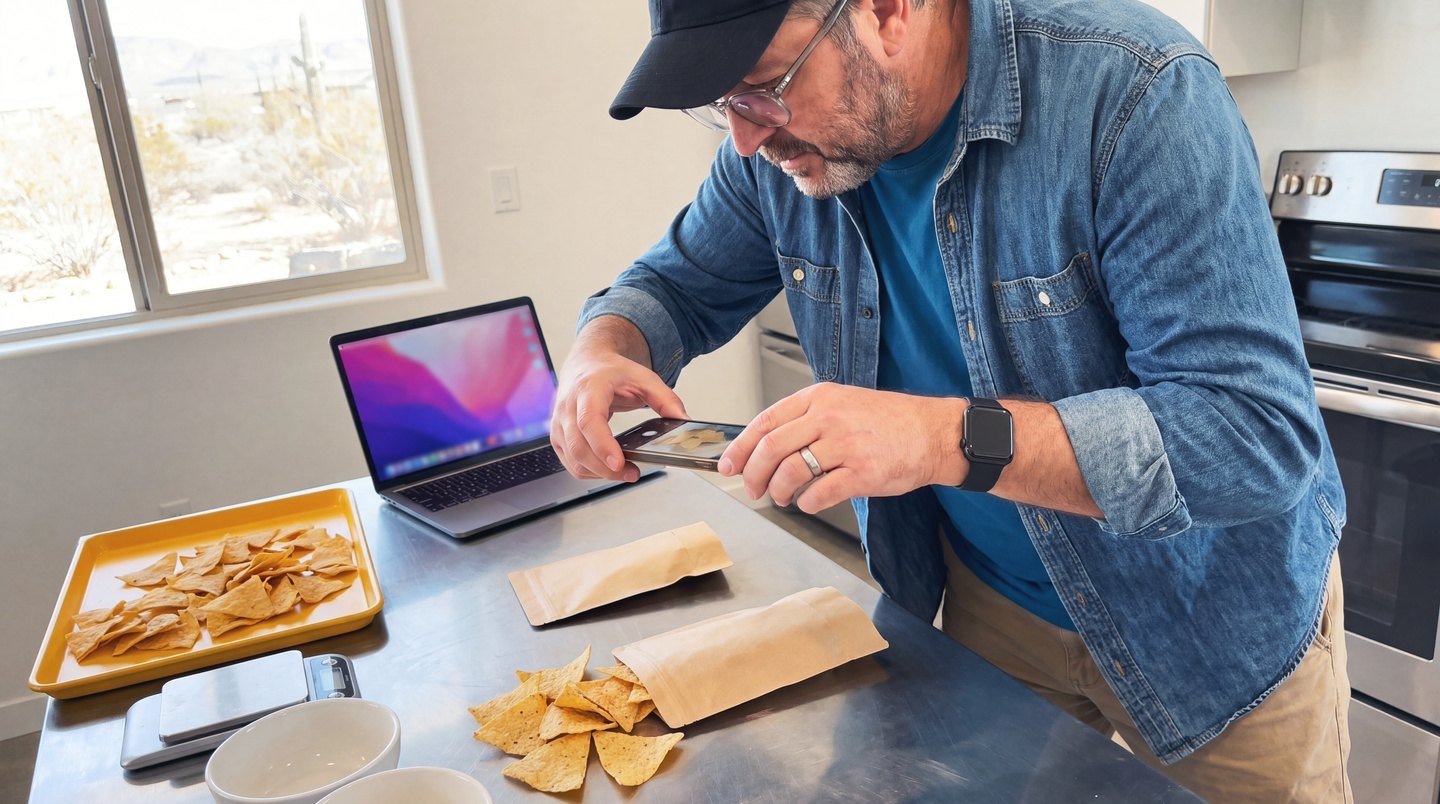
Weeks 1 to 4: shoot a month of raw material in two half-days. Hands, pours, the loading dock, the founder talking to camera on a phone. Lo-fi usually wins.
Weeks 3 to 12: post on a fixed schedule on the two platforms where your buyers already are, usually Instagram and TikTok for shoppers and LinkedIn for the trade.
Weeks 5 to 12: answer every comment and DM within a day, because retail buyers and distributors read those threads.
Week 12: pull the ten best posts by saves, shares and store-locator clicks, and put paid money behind only those.
That's the whole plan. It fits inside a freelancer budget, an independent strategist's retainer, or one line of an agency contract. What decides whether it works is whether somebody owns it every single week.
My own archive is the evidence I trust most here. I've published more than 470 posts on gallucci.net, and a Buffer review of 1,460 of my social posts showed high output, very little response, and zero posts that asked anyone for business. Volume without a point is noise with a schedule. The same goes for a drinks brand's feed, which is why I wrote a separate piece on food and beverage social media marketing that moves product off the shelf.
What to ask a drinks marketing agency before you sign
Who, by name, will make and post our content each week?
How many assets per month does the retainer cover, and what counts as an extra?
How many approval rounds are built in?
How will you measure whether social moved cases, beyond views?
If we sell alcohol, how do you verify audience age composition on every placement?
What happens to our raw footage and files if we leave?
If identity is the job, I've laid out what to look for in a beverage branding agency beyond the portfolio. If you're weighing a generalist shop, read the generalist trap first.
Red flags that should end the meeting
Walk if you hear any of these.
The proposal leads with a media budget before anyone has asked what your drink is for.
Every case study is a national brand with ten times your spend.
Nobody can show a post they made for a brand your size in the last month.
The contract locks you in for 12 months with no 90-day exit.
Earlier this year I wrote about what drinks marketing agencies get wrong about natural brands, mostly that they sell reach before positioning. That still holds. This piece is the buying guide that sits next to it.
FAQ
Who is Coca-Cola's marketing agency?
Coca-Cola named WPP its global marketing network partner in 2021. Most of the work runs through Open X, the unit WPP built for the account and staffed with talent from Ogilvy and VML. They renewed the deal.
If you run an independent drinks brand, the useful part is the scale. That model exists for a company selling in more than 200 countries and territories.
How much does a drinks marketing agency charge per month?
Darkroom's 2026 agency pricing guide puts a single-service retainer at $5,000 to $15,000 a month. Full-service packages run higher.
Per-asset is the other path. Videos often land at $500 to $2,000 each.
Count the posts and videos you actually need each month before you stack any quotes. Price that number first.
Does an alcohol brand need a specialized alcohol marketing agency?
You need an agency that knows the codes whether or not the word alcohol is on the door.
In the US that means placing spirits ads only where at least 73.8 percent of the audience is expected to be 21 or older under the Distilled Spirits Council code.
Every Meta alcohol ad targets 21 and older.
Ask them to show you how they prove it.
How long does it take for social media to show results for a drinks brand?
In my experience, expect about 90 days before you can tell which posts are working, and longer before it shows up in reorders. The first month is mostly finding the story and the formats. The second and third months show which posts earn saves, shares and store-locator clicks. Anyone promising sales lift in two weeks is probably selling you ad spend.
Should a small beverage brand hire a big agency?
Usually not first. A big agency is built for national launches with national media budgets, and a small brand ends up paying for a team it rarely sees. Most independent drinks brands get more from one accountable person who can shape the story and make the content every week, then bring in a specialist for packaging or paid media when a real project calls for it.
What a beverage founder should do this week
Pick the one job that moves cases this quarter. Write it on one line.
Interview anyone against that line and nothing else. Agency, freelancer, strategist. Doesn't matter.
Independent drinks win on a story the big bottlers can't copy. That story only works if somebody tells it every week.
I take on a handful of drink brands a quarter. If yours is next, message me on LinkedIn.

adage, emmy, telly & webby award-winning digital marketing consultant for purpose-driven food & beverage brands.