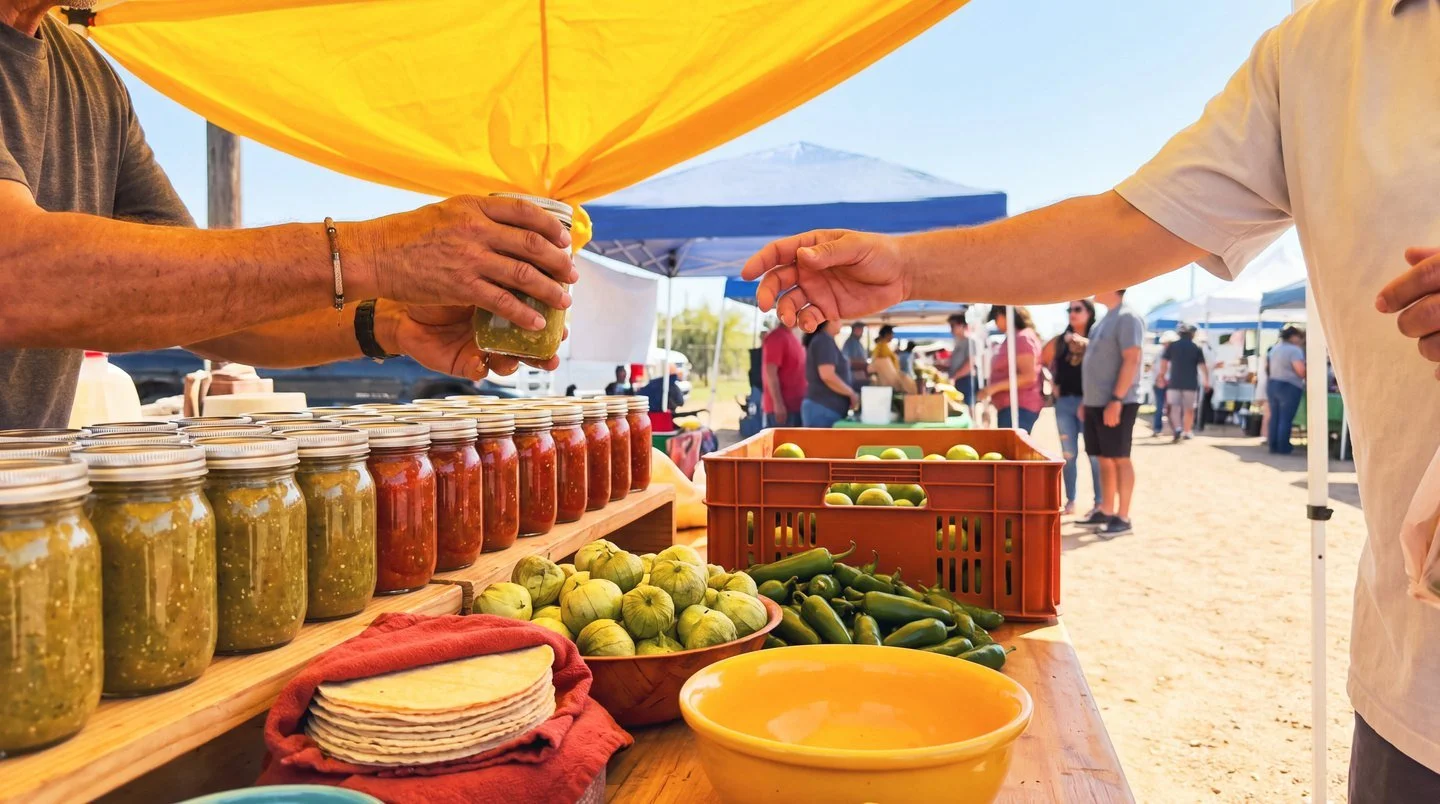
Modelo Bought College Football's Traditions. The Parking Lot Is Still Free.
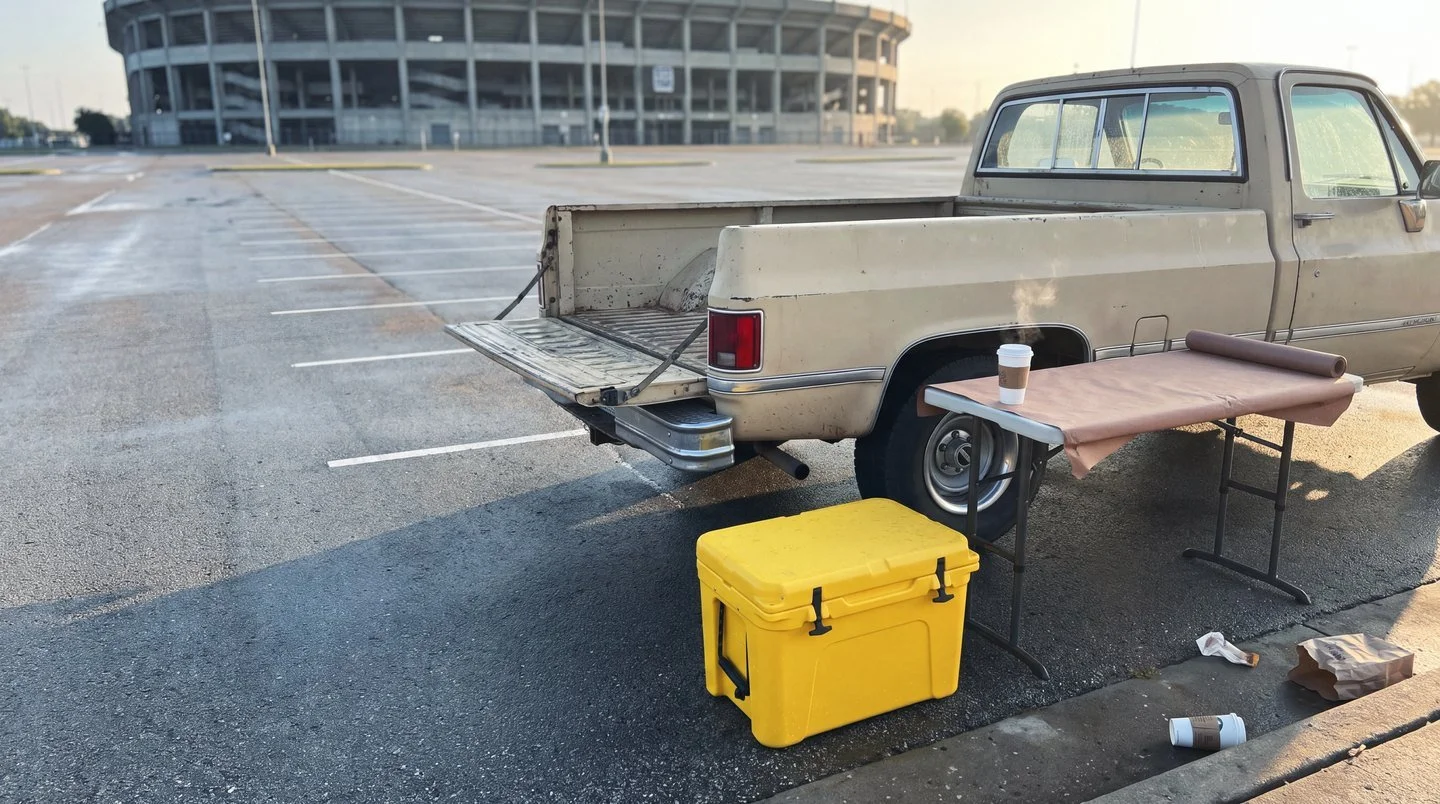
Modelo Bought College Football's Traditions. The Parking Lot Is Still Free.
Modelo announced its largest college football commitment ever on September 3. Three broadcast spots running the whole 2026-27 season, media partnerships with ESPN, FOX and Barstool Sports, and an 18 percent year over year increase in media investment. The platform is called "It's Not Just Game Day. It's Tradition."
Read the release. Modelo didn't make any of it.
"Same Time, Next Year" follows two fans on opposite sides of the Michigan and Ohio State rivalry who meet up every season to watch their schools play.
"Texting" is a daughter and her father keeping a game day ritual alive from a distance.
"Taste of the Tailgate" is about the guy who runs the grill.
Rene Ramos, Modelo's senior vice president of brand activation, said it out loud in the release. "What makes college football so powerful isn't just what happens on the field, it's the energy, traditions, and sense of belonging that fans create around it."
Fans create the culture. Modelo rents a season of it at network rates and looks like they belong.
That's not a knock. It's the right call for a Constellation Brands import with national distribution and a College Football Playoff sponsorship to defend.
When you're that big, buying the broadcast is the only way to get near a local ritual. There's no version where a national beer brand shows up at every tailgate in America.
The part worth your attention is what the campaign proves about everybody who isn't Modelo.
Modelo dropped limited-edition packaging carrying the Georgia, Miami, Oregon, Ohio State, and Tennessee marks. Select local markets only.
They expanded the Homefield deal for a kickoff tour through the big-matchup markets, local alumni doing the meet-and-greets.
Most expensive college football campaign in brand history, and it's still chasing the smallest unit of attention. One school. One town. One shelf.
Modelo pays a fortune to fake local. That's the tell.
You don't.
I graded my own work against that standard this morning. It didn't go well.
gallucci.net has 435 published posts in the sitemap. Three of them name a place. All three say "Texas," which is a state, not somewhere a person can stand. Not one names a town, a school, a bar, a rest stop, or a parking lot.
Two years writing about Google, Instagram, YouTube, and whichever algorithm twitched that week. Every post built for a reader who could be sitting anywhere on earth. So you're competing with everybody on earth who wrote the same take that morning.
Modelo just spent its biggest budget ever renting inventory. I've been sitting on the whole pile and not using it.
Here's what place actually gets you, and why it's underpriced.
Calendar drops a year out. Fourteen Saturdays. Known dates, known opponents, known crowd, known parking lot. You build a content quarter off that and skip the meeting on what to post.
Modelo put real money behind a premise every college town already owned. The tailgate runs whether the brand shows up or not. Nobody needed a campaign to decide it matters.
The fans do the distribution. Name their bar, their lot, their rivalry. That post gets shared by people who feel seen. Call it game day and everyone scrolls past, them included.
The shelf tag is the media buy.
Limited packaging with a school's marks in one market is a trick that scales down further than Modelo can take it.
A regional brand runs it at one school with a case stack and a sticker.
You don't need an agency of record for any of that. You need to decide you're done writing for nobody in particular.
If you sell food or drink and you're anywhere near a town with a team, here's the week one version.
Name the place in the caption. Not game day. The lot behind the stadium, the bar on the corner, the exit off the highway everyone takes. Specifics are the whole product.
Shoot the crowd, not the can.
Modelo's spots run on people who look like they've been doing this since the Clinton administration.
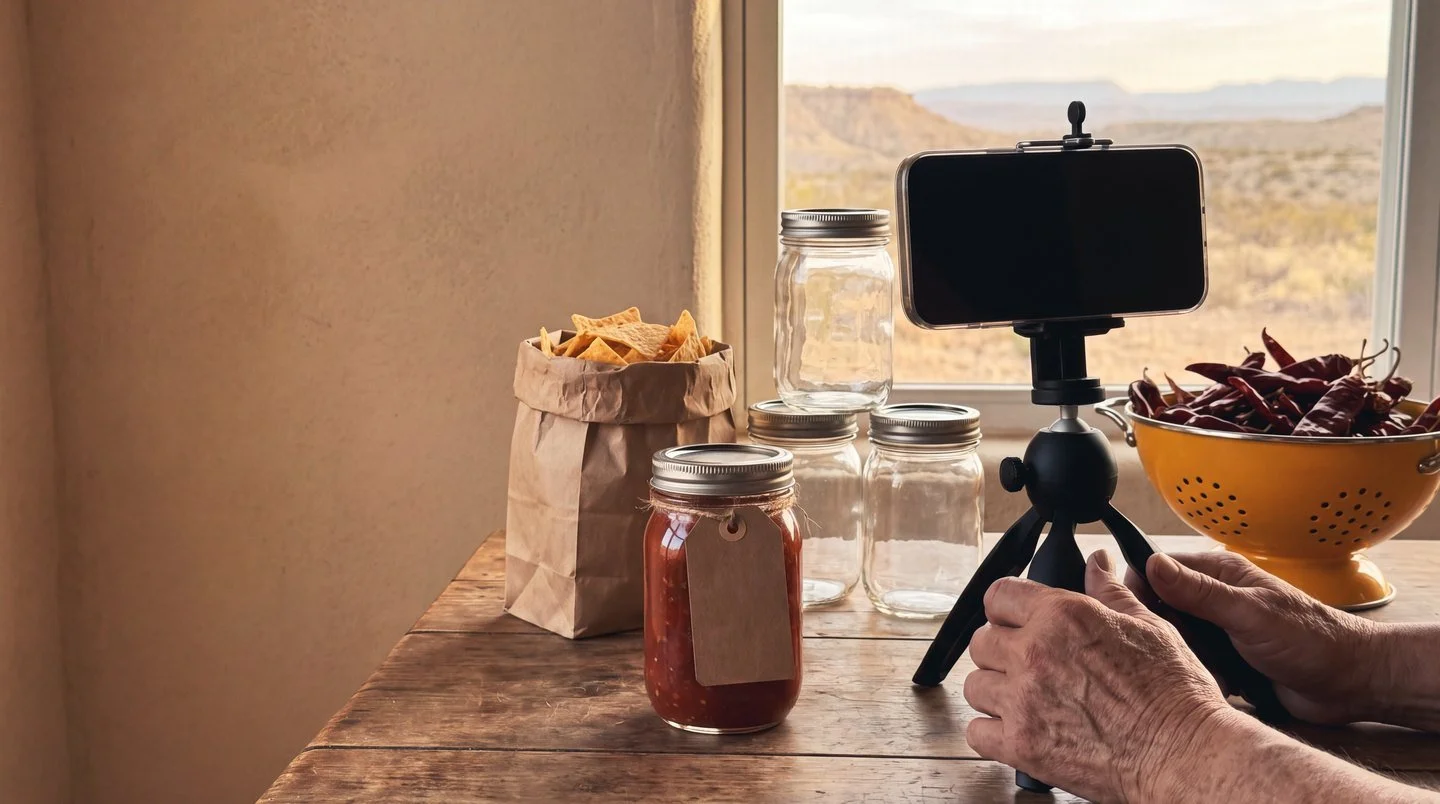
Your version costs a phone and an hour of standing in the heat.
Show up all season, not on rivalry week. Fourteen Saturdays is a content calendar. One Saturday is a stunt, and everybody can tell.
Let the ritual be somebody else's. The best organic social media content in this category is almost never about the brand. It's about the thing the brand happens to be standing next to.
I've made a version of this argument before, from the other end. Community beats vanity metrics for outdoor lifestyle brands, and chasing virality is the wrong bet for food and beverage brands. The local mechanics hold up too, which is why local SEO can be worth real monthly revenue to a restaurant brand.
What it costs to keep ignoring this
Compete on national attention and a beer brand with a CFP sponsorship beats you every time. Broad reach. You end up with the generic version of a specific feeling.
Three blocks from your warehouse sits the thing you could own outright. Free. Some importer out of Chicago still runs a spot about it in November.
I'd take one town over a national impression number. My own archive says the opposite 432 times.
That's the work I do as a food and beverage marketing agency, and the first thing I'd ask you is which place your brand is actually from.
Pull your own sitemap this week. Tally every post that names a real place. If that count comes back low, you already know what you're shooting Saturday.
adage, emmy, telly & webby award-winning digital marketing consultant for purpose-driven food & beverage brands.