Super Coffee invented protein coffee. In 2026 it's competing against Coca-Cola's version of it.
Super Coffee invented protein coffee. In 2026 it's competing against Coca-Cola's version of it.
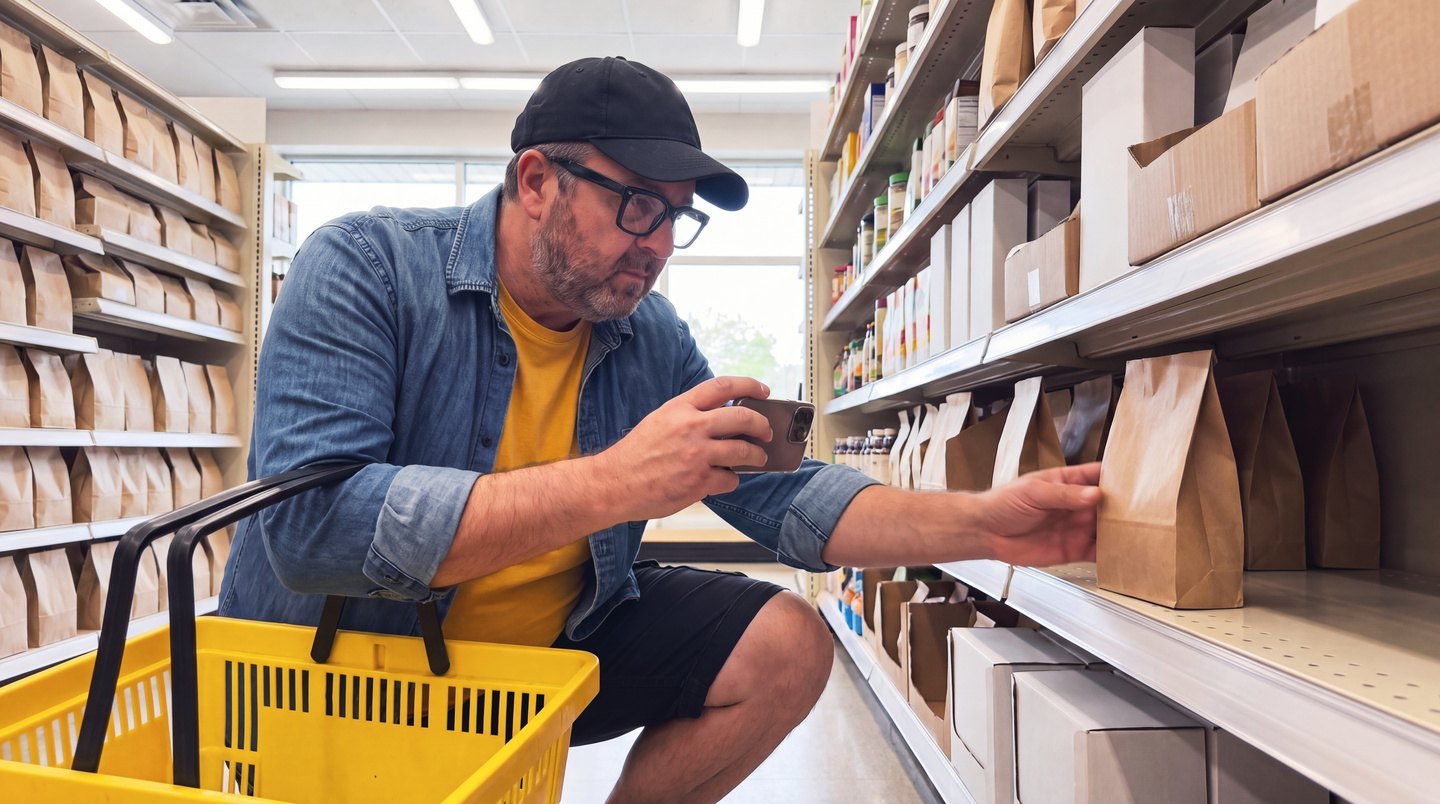
Walk the cold case at any Kroger in North Texas and count the cans with a protein number on the front. Ten years ago there was one. A kid in a Philadelphia dorm room had to blend it himself because nothing on that shelf worked for an athlete.
Now the number on the front is the whole category. The brand that got there first is standing in a crowd it built.
That's Super Coffee. Not failing. Crowded. Those are different problems and they need different answers.
The answer to crowded is almost never another SKU.
The shelf got loud. The differentiator got quiet.
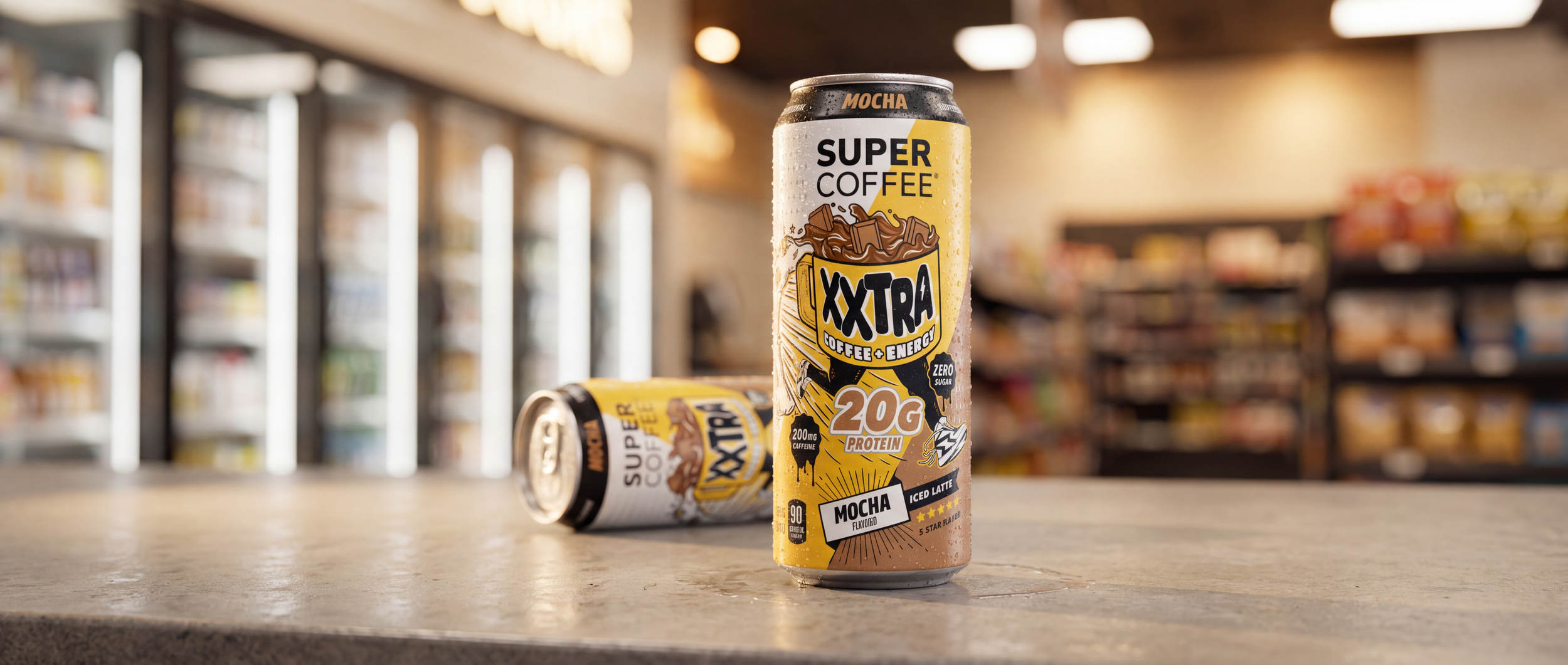
Super Coffee's 2026 launches are good product. XXTRA puts 20 grams of protein from ultra-filtered milk in a 15 ounce can with 90 calories, no sugar, 200 milligrams of caffeine, ginseng, and B-vitamins, and aims it at the convenience channel where energy gets bought on impulse.
Espresso plus Protein takes the zero-sugar idea into an 11 ounce can for natural retail. Both are the right moves on paper. Both are also the moves everyone else is making.
Here's the arithmetic problem. Fairlife's Core Power Elite carries 42 grams. Slate Milk carries 42 grams. Kate Farms went from a Walmart launch in late 2025 to more than 6,800 Walmart and CVS doors by this August. Chobani bought La Colombe and now owns coffee credibility outright. Koia, Remedy, C4, and Free Rein all shipped protein beverages this year.
When a shopper stands in front of the case doing macro math on their phone, 20 grams next to 42 grams loses. No package design fixes a number that reads smaller.
Protein grams were never what Super Coffee had. It had a reason. There's a difference between a formulation and a reason, and a reason is the only thing on that shelf a competitor can't buy, license, acquire, or reformulate around by Tuesday. Coca-Cola can put any number it wants on a bottle. It can't put Jordan DeCicco on one.
The best asset in the building isn't in the feed.
The Super Coffee feed is cans on colored backgrounds. That's the whole problem.
Jordan DeCicco was a starting basketball player at Philadelphia University in 2015. Five a.m. practices, sprints and lifts before most people were up, then class. The ready-to-drink coffee on the shelf ran 31 grams of sugar and 37 grams of carbs. For an athlete that's dessert with a caffeine problem.
So he bought a blender. Organic coffee, protein, MCT oil. The thing that didn't exist yet. Teammates started asking for it. His brother Jim walked away from a financial analyst job at Blackstone. Jordan dropped out and took a Thiel Fellowship. Three brothers, one blender, and a category nobody else was shipping.
Now look at the Instagram. Roughly 110,000 followers, about 151 posts in the last year, engagement near 3.5 percent. Respectable. TikTok sits around 58,000 followers with 3.5 million cumulative likes. The content is cans. Macro callouts, habit-stacking hooks, TikTok Shop pushes. Competent. Consistent. Completely interchangeable with every other protein beverage feed in America.
The founders are barely in it. That's the gap.
Fairlife has no founder. Core Power has no founder. Nobody's making a documentary about a Coca-Cola line extension. Super Coffee has three brothers, one of whom left college to build the category the other nine brands are now shipping into. And the feed is showing people a can.
Three things to do with that, specifically.
Put Jordan on camera every week. Fixed format. Phone vertical, 45 to 60 seconds, one recurring frame. He reads a real DM or comment off the screen and answers it.
"Why only 20 grams." "Is MCT oil worth it." "What's the difference between this and Core Power."
The protein RTD shopper is running head-to-head research on TikTok right this minute. A founder who can explain why 20 grams from ultra-filtered milk in a coffee is a different product than 42 grams in a shake wins that argument. A graphic never will. Post it Tuesday and Thursday. Same background every time so the format gets recognizable in the scroll.
Claim Austin out loud. The company moved headquarters to Texas in 2021 and almost nobody outside the industry knows it. Free identity sitting on the table. Run a monthly place-based series on Instagram: the actual Austin office, real Texas convenience store runs where XXTRA is on the shelf, morning run clubs, gym partnerships, the summer heat that makes a cold 15 ounce can make sense at 2 p.m. in August. It gives the c-store push a story instead of a distribution announcement. It gives the brand a physical address in a category where everyone floats in a studio void.
Make the comparison videos yourselves. The highest-velocity format in this category on TikTok is "brand X versus brand Y protein drink," and third-party creators are producing all of it right now. Someone else is writing the frame Super Coffee gets judged in. Take it back. Put the ingredient decks side by side on screen, name the competitor, be honest about where the other product wins, and explain what the trade actually is. Brands are terrified of this format because it feels like handing a rival free exposure. It isn't. The comparison is already happening at scale. The only question is whether anyone from the company is in the room while it happens.
Bottom line.
Super Coffee can keep launching formats and buying shelf. Coca-Cola will outspend them on both forever. That's a balance sheet, not a strategy problem, and it doesn't get solved.
What money can't scale is a true story that belongs to one company. Three brothers built this before there was a category to build it in.
Every quarter that story sits in an archive instead of the feed is another quarter Fairlife gets to define protein coffee for a shopper who's never heard the name DeCicco.
Category founders lose their categories all the time. It almost never happens in a lab. It happens quiet, on a shelf, while somebody else does the talking.
giovanni gallucci is a brand strategist and content operator specializing in clean-label food and beverage brands. He works with emerging CPG companies to build social media strategies that drive retail velocity and category ownership.
giovanni gallucci is a brand strategist and content operator specializing in clean-label food and beverage brands. He works with emerging CPG companies to build social media strategies that drive retail velocity and category ownership.

adage, emmy, telly & webby award-winning digital marketing consultant for purpose-driven food & beverage brands.