Organic social media strategy for beverage brands: own one drinking occasion
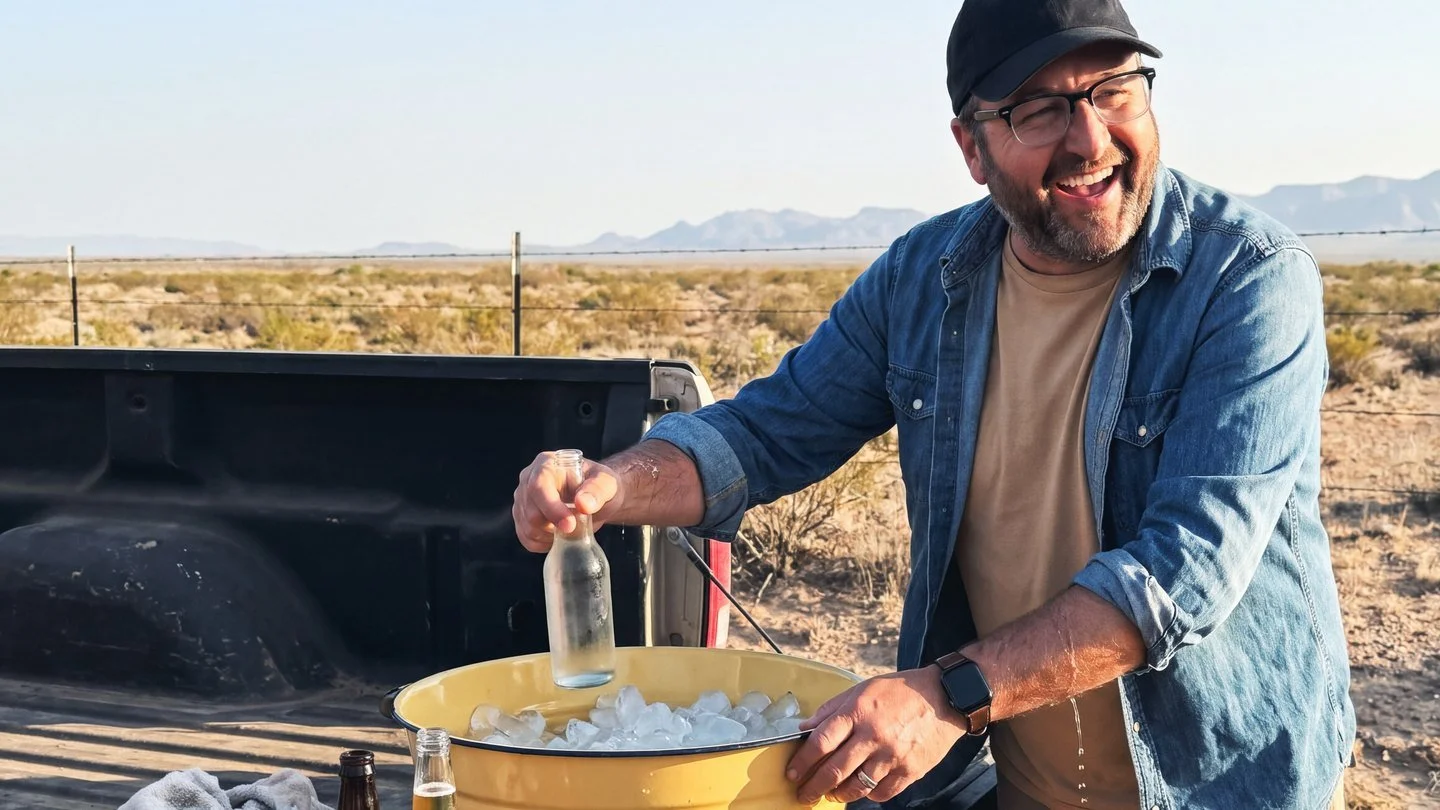
The best organic social media strategy for beverage brands picks one drinking occasion and owns it on every post for 90 days. People send a post about a moment they recognize to the friend who lives it, and Instagram's head named sends one of the top three ranking signals in January 2025. Nobody sends a packshot.
Updated November 8, 2026.
The short version
- Pick one moment your drink already gets opened for and post to it for 90 days.
- Instagram ranks on watch time, likes and sends, and sends weigh more with people who don't follow you yet.
- Food and beverage brands posted a median 2.79 Instagram posts a week in Rival IQ's 2025 benchmark, so volume is rarely the gap.
- Judge the plan on sends per reach and repeat buyers, never on follower count.
What is an organic social media strategy for beverage brands?
It's the unpaid half of your social: what you post, who it's for, and how you know it worked, without buying the reach. For a drink brand it has one job a snack brand doesn't carry quite the same way, and that job is the second purchase.
A drink gets bought for a moment. The cold can at the gas station on the way to the lake. The bottle in the back of the truck at a Friday night game in Alpine. The thing you hand the friend who isn't drinking tonight. Shoppers don't wake up wanting a beverage in general, they want something for the next hour. If your feed doesn't put your drink inside one of those hours, it's a catalog, and catalogs don't get shared.
Most beverage feeds I look at try to cover every moment at once. Brunch on Monday, gym on Tuesday, a holiday post on Wednesday, a flavor launch on Thursday. Each post is fine on its own. Together they teach the shopper nothing about when to reach for you.
Why does one drinking occasion beat a full content calendar?
Because a post about a moment people recognize gets sent, and sends are how a small brand reaches strangers for free. Instagram chief Adam Mosseri said in his January 2025 algorithm series, as reported by Social Media Today, "Likes are slightly more important for connected content, and sends are slightly more important for unconnected content."
Read that as a beverage founder. Likes keep you in front of the people who already follow you. Sends put you in front of the people who don't, and those are the people who haven't bought you yet. The share data points the same way. Dash Social, a social analytics platform, reported in its 2025 benchmark release on September 23, 2025 that shares were up 86% on Instagram and 31% on TikTok.
So the question for every post becomes simple. Who would someone send this to? A clean bottle on a white sweep has no answer. A video of the cooler at the back of a pickup, ice half melted, somebody fishing a can out with a sunburned arm, has an obvious one. You send it to the guy who always brings the cooler.
One occasion also fixes the second problem drink brands have, which is memory. When every post lives in the same moment, the shopper standing at the cold case already knows what you're for. Last month I argued that you should make the bottle the co-star and let the people drinking it carry the story. The occasion is the stage they're standing on.
How do you pick the occasion your beverage brand should own?
Pick the moment your drink already gets opened in, that a bigger brand hasn't locked up, with a specific person attached. I run it in this order during the first two weeks of a sprint.
- List every moment your drink gets opened, pulled from DMs, reviews, comments and your sales rep. Done when you have at least 15 written down.
- Cross off every moment a national brand already owns on social. Done when fewer than five are left.
- Keep the one with a person attached, someone a fan would send the post to. Done when you can finish the sentence "send this to the friend who..."
- Write 12 post ideas for that one moment before anyone films a thing. Done when all 12 exist in one doc.
- Run it for 90 days and judge it on sends per reach. Done when you have 90 days of that number in a sheet.
Step one is where the money is. Your fans already tell you when they drink you, they tell you in the comments, in a two-star review about a dented can, in the DM about which gas station carries you. Your distributor knows too. Ask your distributor rep which coolers turn fastest and on what day, and you'll learn more about your occasion than a brand workshop will teach you.
Which drinking occasions fit which kind of drink?
Every category still has a gap. I'd test these as starting points, not rules.
| Drink type | Occasion worth owning | Who the post gets sent to | A post that fits |
|---|---|---|---|
| Sparkling or mineral water | The long drive and the gas station stop | The friend who always drives | The cooler restock at mile 200 |
| Energy drink | The afternoon wall on a long shift | The coworker on the same shift | The break room fridge at 3 p.m. |
| Craft soda | The backyard grill | Whoever runs the smoker | The can on the rail next to the tongs |
| Non-alcoholic beer or spirit | The party where you're not drinking | The friend who's driving everyone home | The order at the bar, no explanation |
| Cold brew or ready-to-drink coffee | The early start on a job site | The crew lead | The tailgate at 6 a.m. with the sun coming up |
| Kombucha or functional drink | The hour after a workout | The gym partner | The bottle in the car door after class |
Every post in the right-hand column is a place and a time, and the drink is in it. None of them needs a caption explaining what the product is.
What does owning one occasion look like on the feed?
Three posts a week inside one moment, in three formats, is plenty for most independent drink brands. Rival IQ, a social benchmarking company, put the food and beverage median at 2.79 Instagram posts a week and 0.40% engagement per post in its 2025 Social Media Industry Benchmark Report. The Dash Social release pointed to Sour Patch Kids getting stronger results by publishing two to three times a week. More posts won't rescue a feed that doesn't know what moment it's in.
A week that works looks like this. Monday you drop a short video shot in the actual moment, like somebody's phone just caught it. Wednesday you run a carousel that walks the same beat in order, ice to first sip. Friday you answer a fan on camera, same setting. And when somebody posts you in that moment without being asked, you answer your fans fast. A fan who gets a reply tends to post you again.
Creators fit here too, with one filter. Pay the people already living your occasion. If your moment is the job site at 6 a.m., the creator is a foreman with a phone, not a lifestyle account in a studio kitchen. I wrote about why brands should pick fans who already drink you before they spend a dollar on reach.
A lot of what we ship for drink brands comes off an AI production pipeline. That changes the math on a 90-day test. You can make all 12 ideas from step four, plus the variations, and hold every frame to one standard: nobody scrolling past can tell how it was made. The occasion stays the same, the cost of testing it drops.
What should a beverage brand measure instead of followers?
Measure sends per reach first, then saves, then whether the people buying you buy you again. Follower count tells you how many people agreed to see you. Sends tell you how many people thought a friend needed to see you, and that's the number that moves reach to strangers.
Instagram Insights shows sends and reach on every post, so start a sheet with three columns: post, reach, sends. Divide. Sort by the result after 30 days and the occasion posts will either float to the top or they won't. If they don't, your occasion is wrong or your posts aren't in it yet. Both are fixable, and you'll know which in about two more weeks.
The retail side is slower and harder to tie back, so don't pretend it isn't. Watch reorder notes from your distributor, ask stores in your best zip codes what moved, and look at whether the comments start naming the moment back to you. When fans start writing "this is my drive drink" under a post, the strategy is working. If you're running this with no ad money at all, I laid out how a food and beverage brand can grow social with no ad budget.
Who should run organic social for a beverage brand?
Whoever can sit in the occasion and film it, with someone senior deciding which occasion it is. Those are often two different people, and the second one is the hire most drink brands skip.
An in-house coordinator can shoot and post, but picking the occasion is a strategy call that changes your sales story, and it shouldn't land on the most junior person on the team. A big agency will give you a deck with six occasions and a mood board for each, which is the committee-approved version of the mistake this whole article is about. An outside strategist who has run beverage social before can pick the moment, write the 12 ideas, and hand your team a plan they can shoot on a phone. That's the job I do when brands hire me for organic social strategy.
Whoever you talk to, ask these before you sign anything:
- Which single occasion would you have us own, and why that one?
- What will you post in week one, and where will it be shot?
- What number will you judge the first 90 days on?
- Who on your side films, and who on our side approves?
If the answer to the first question is a list, keep looking.
What should you expect in the first 90 days?
Expect the first month to be quiet, the second month to show you one format that repeats, and the third month to tell you whether the occasion is right. Organic social for a drink brand compounds slowly, and anybody promising a viral month is selling you the paid side by another name.
Month one is setup and the first 12 posts. Sends will be low and that's normal. Month two is where one format, often the fan reply or the shot-on-a-phone moment, starts pulling more sends than the rest. Lean into that one. Month three is the call. Either the occasion is showing up in your comments and your sends per reach is climbing, or you go back to the list from step one and take the next moment down. Neither outcome wastes the quarter, because you'll end it knowing when your drink gets opened, and most brands never find that out.
FAQ: what beverage founders ask about organic social
How often should a beverage brand post on organic social?
Three posts a week is enough for most independent drink brands, as long as all three live in the same drinking occasion. Rival IQ's 2025 benchmark put the food and beverage median at 2.79 Instagram posts a week. Posting more rarely fixes a weak feed. A feed that shows the same moment three times a week teaches shoppers when to buy you, and that does more than daily posts about everything.
Which platform should a beverage brand start organic social on?
Start on Instagram, and add TikTok once you have a format that repeats. Instagram Insights shows sends and reach on every post, which makes it the easiest place to test whether your occasion works. TikTok rewards the same shot-on-a-phone moments, so a format that earns sends on Instagram usually travels. Pick one platform for the first 90 days and do it well.
Does organic social media sell drinks at retail?
It can, though the link is slower and harder to measure than a coupon. Organic social teaches shoppers which moment your drink belongs to, so they reach for it at the cold case without thinking. Watch distributor reorder notes, store feedback in your strongest zip codes, and comments that name the moment back to you. If those three move together over a quarter, the feed is helping the shelf.
How do you measure organic social media for a beverage brand?
Measure sends per reach first, then saves, then repeat purchases. Sends per reach is sends divided by reach, and Instagram shows both in Insights. Instagram head Adam Mosseri said in January 2025 that sends carry slightly more weight for unconnected content, which means reach to people who don't follow you yet. Follower count tells you very little about whether the posts are bringing in new buyers.
Should a small beverage brand use AI-produced content on social?
Yes, if every frame holds up to one standard: nobody watching can tell how it was made. AI production lets a small brand make all the ideas for an occasion test, plus variations, for a fraction of a traditional shoot. The occasion strategy stays the same either way. Use AI to test more versions of the right moment faster, and judge the results on sends per reach like any other post.
What should you do this week?
Open your last 100 comments and DMs and write down every moment a fan mentions drinking you. Count them. The moment that shows up most, that a national brand hasn't already claimed, is your first candidate for a 90-day occasion test. Write 12 posts for it before you film any of them.
I build this occasion plan for a handful of drink brands every quarter. Yours next? Message me on LinkedIn.

adage, emmy, telly & webby award-winning digital marketing consultant for purpose-driven food & beverage brands.